The True Cost of a Cut: Budget Chairs, Premium Salons and the Value in Between
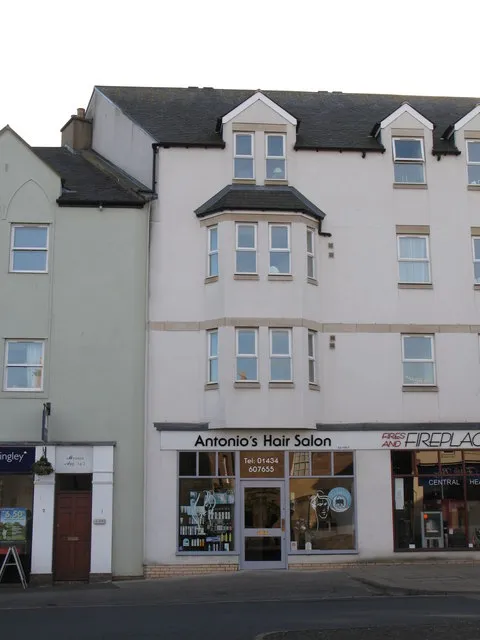
Photo: Mike Quinn, CC BY-SA 2.0, via Wikimedia Commons
Walk down almost any British high street and you will find haircuts at wildly different prices. A local barber may charge £15 for a dry cut; a city-centre salon may quote £150 before a toner or finish is added. The gap is not simply a matter of snobbery or marketing. It reflects different business models, different levels of training and different assumptions about how much time a client should receive. The useful question is not whether one price is inherently fair, but what each ticket actually contains — and which elements matter for your hair.
What the ticket price actually contains
A haircut is a service built from labour, education, products and overheads. The £15 appointment may be a junior stylist building a client base, a high-volume salon with tight appointment slots, or a dry cut with no wash or blow-dry. The £150 appointment may include a lengthy consultation, a senior stylist, a shampoo and treatment, a precision finish and aftercare advice. Neither description is automatically better. A cheap cut can be honest and well executed; an expensive one can be beautiful but unnecessary for a simple trim.
The price also has to cover the less visible costs of running a salon in 2026: rent, business rates, VAT, insurance, laundry, energy, card fees, booking software, reception staff and continual restocking. A premium salon in a listed building with a large team carries a different cost base from a two-chair premises above a shop. Some of the difference is therefore structural, not a comment on skill.
Training hours and the invisible wage bill
One of the clearest distinctions is training. Budget salons often employ apprentices or newly qualified stylists who are supervised while they work. That can be excellent value, particularly for straightforward cuts, because the junior gains experience and the client pays less. The risk lies in unclear supervision or in a salon that books too tightly to allow for checking.
Premium salons tend to fund continuing education: cutting courses, colour qualifications, curl-specific training and seasonal showcases. Those hours cost money and are rarely visible in the final result, but they explain part of the price. Before booking, ask who will actually cut your hair, what qualification they hold and whether a senior stylist will check the finished shape. A transparent salon will answer without defensiveness.
Consultation: the part you cannot see in the mirror
A good consultation is not a luxury add-on. It is where a stylist reads hair density, growth patterns, previous colour, heat damage and lifestyle. Ten to fifteen minutes of questions can prevent a costly correction later. Budget appointments sometimes compress this into two minutes, which may be fine for a regular trim but risky for a restyle or a change of colour.
That said, price is not a perfect proxy for attention. A junior with strong training and a patient manner can consult better than a senior stylist working behind schedule. Look for a salon that asks about your routine, your water hardness and how much time you realistically spend styling at home.
Product costs and the wash-house
Shampoo, conditioner, treatment, toner, foils, gloves, towels and styling products all carry a cost. Premium salons often use professional back-bar ranges and retail matching products; budget salons may use larger-format or simpler lines. Neither is scandalous. The product cost per appointment is usually modest relative to the ticket price, so the £135 difference between a budget and premium cut is not explained by shampoo alone. It is explained by time, skill, overheads and the salon experience.
When to save
Saving makes sense when the job is simple and the risk is low: a regular trim, a short back and sides, a dry cut for already healthy hair, or maintenance between more complex appointments. A supervised junior can be a sensible choice if the salon is clear about who is cutting and what is included. Ask whether the price covers a wash and finish, whether a senior check is standard, and what happens if you are unhappy with the shape.
False economies appear when the hair is complex. Curly hair, fine hair prone to collapse, previous box dye, a major restyle or a wedding deadline may justify more consultation and more experienced hands. Correcting a poor cut or colour often costs more than the original saving.
When to splurge
Spending more is most defensible when you are buying judgement rather than merely time. A significant restyle, a colour correction, a curl cut or a sensitive scalp consultation benefits from a stylist who has seen many variations of the problem. Premium salons also tend to offer clearer aftercare, easier adjustments and a more controlled environment.
Even so, price alone guarantees nothing. Check portfolios, read recent reviews and look for a stylist whose specialism matches your hair. A £150 cut from someone who rarely works with your texture is worse value than a £45 cut from a specialist junior.
Questions to ask before booking
Who will cut my hair, and what qualification do they hold? Is the consultation included? Does the quoted price include a wash, toner and finish? Will a senior stylist check the result? What is the salon's policy if I need a minor adjustment? Which products will be used, and are they available to buy? These questions are not aggressive; they are the ordinary due diligence of paying for a skilled service.
The verdict
A haircut is a labour-intensive service with a risk attached. The right price is the one that matches the complexity of the job and your tolerance for that risk. Spend where skill, consultation and correction matter; save on straightforward maintenance. In 2026, the most useful salons are the ones that explain the difference clearly rather than hiding behind atmosphere. A £15 cut can be good value. A £150 cut can be excellent. Both can disappoint. The ticket price is only the beginning of the story.