The Lunch-Hour Reset: What a Short Salon Facial Can Realistically Deliver
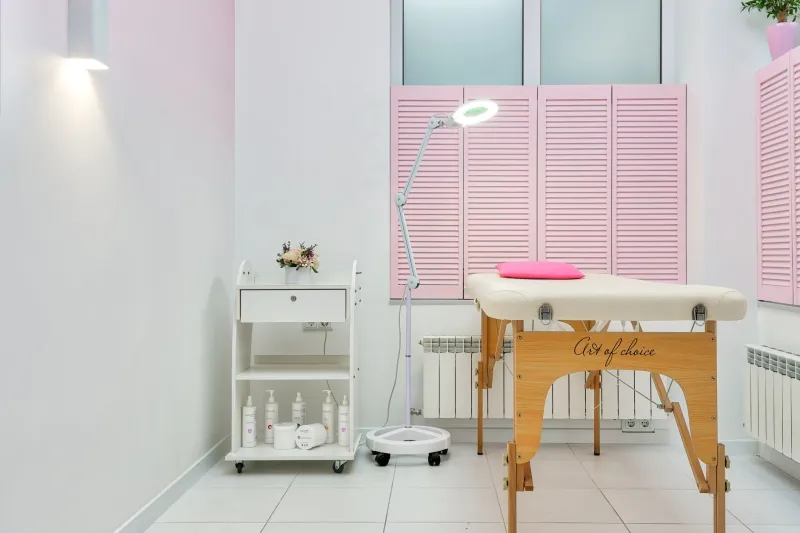
The British high street has long been adept at repackaging luxury into something more portable. The latest example is the short facial: a 15- or 30-minute appointment designed to fit between a lunch break and a 2pm call, or to precede an evening event without demanding an entire afternoon. In 2026, the format is no longer a novelty add-on at a handful of salons; it has become part of the standard menu from Manchester to Bristol, and it raises a useful question for anyone considering one. What can a short treatment realistically deliver, and where should the line be drawn between a sensible reset and an overpromise?
Why the Short Appointment Has Found Its Moment
The appeal is partly practical. British city centres have a finite supply of lunch hours, and many readers want a treatment that fits into the day rather than displacing it. The short facial also suits the way beauty has shifted towards maintenance: a visible lift before a meeting, a calmer complexion before a dinner, a moment of quiet in an otherwise crowded schedule. Salons have responded by stripping back the ritual without stripping back the consultation entirely. The best versions are precise rather than rushed. The weaker ones simply compress a longer treatment and hope the customer will not notice.
What Fifteen Minutes Can—and Cannot—Do
A well-designed short facial can cleanse, gently exfoliate, hydrate and massage. It can leave skin looking fresher and feeling more comfortable, and it can provide a useful pause in a stressful day. It cannot, however, resolve persistent congestion, repair a compromised barrier or deliver the results of a full course of professional peels. Readers should be sceptical of any 15-minute treatment that promises deep extraction, significant brightening or lasting changes to pigmentation. The realistic outcome is a temporary improvement in hydration and circulation, a smoother surface for makeup, and a clearer sense of whether the salon's approach suits your skin.
Reading the Menu: Acids, Extractions and Add-Ons
The questions to ask are straightforward. Which acid is being used, at what percentage, and what is the pH? Will it be neutralised, and how long will it remain on the skin? Is extraction appropriate today, or would a gentle cleanse and massage be more sensible? If you are using a prescription retinoid, an acid toner or a strong exfoliant at home, say so before the therapist begins. A reputable salon will adjust the treatment rather than press ahead. Extractions should never be aggressive, and they should not be performed on skin that has not been softened. A short appointment is not the place for a heroic extraction session.
How to Spot a Well-Run Express Salon
A short consultation is a good sign, not a delay. The therapist should ask about your skin, your current routine and any recent treatments. Hygiene should be visible without being theatrical: clean hands, fresh linen, sanitised tools and decanted products. Clear pricing matters, particularly when add-ons are offered. The best express salons are also honest about aftercare, advising you to avoid strong actives, heat and makeup for an appropriate period. If the treatment begins before any consultation, or if the menu is heavy on vague promises and light on detail, consider it a warning.
Timing the Pre-Event Facial
For a pre-event treatment, timing is more important than intensity. A gentle hydrating facial two or three days before an event is usually safer than a stronger exfoliating treatment on the day itself. If the appointment is scheduled within 24 hours of the event, ask for hydration and massage rather than a new acid or extraction. The aim is to arrive with calm, comfortable skin, not to provoke a reaction that needs concealing.
Stretching the Glow at Home
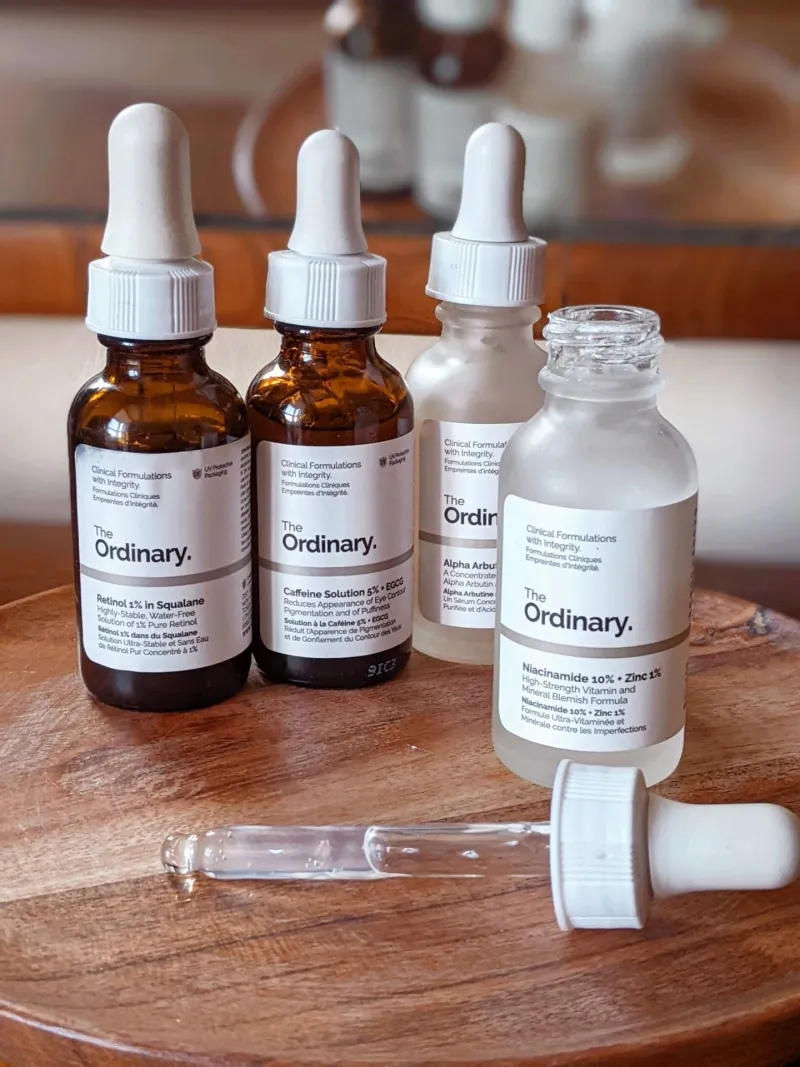
The salon result should not require a second salon visit to maintain. A simple home routine is more effective than a shelf of impulse purchases: a gentle cleanser, a hydrating serum, a basic moisturiser and a broad-spectrum sunscreen. Readers who want to extend the effect of an express facial should resist buying salon-strength acids for home use. One mild exfoliating step each week is usually enough for most skin types, and it is better to add hydration than to add more actives. A pharmacy sunscreen and a well-formulated moisturiser will do more for the look of the skin than an expensive serum used occasionally.
The Considered Conclusion
The short facial is a useful addition to the British high street, provided it is understood for what it is: a targeted reset, not a shortcut to clinical results. Choose a salon that consults properly, asks about your routine and refuses to over-treat. Keep the home routine simple. On that basis, a lunch-hour appointment can be a sensible pleasure rather than an expensive compromise.