The Serum Ledger: Budget Versus Premium Under a British Winter
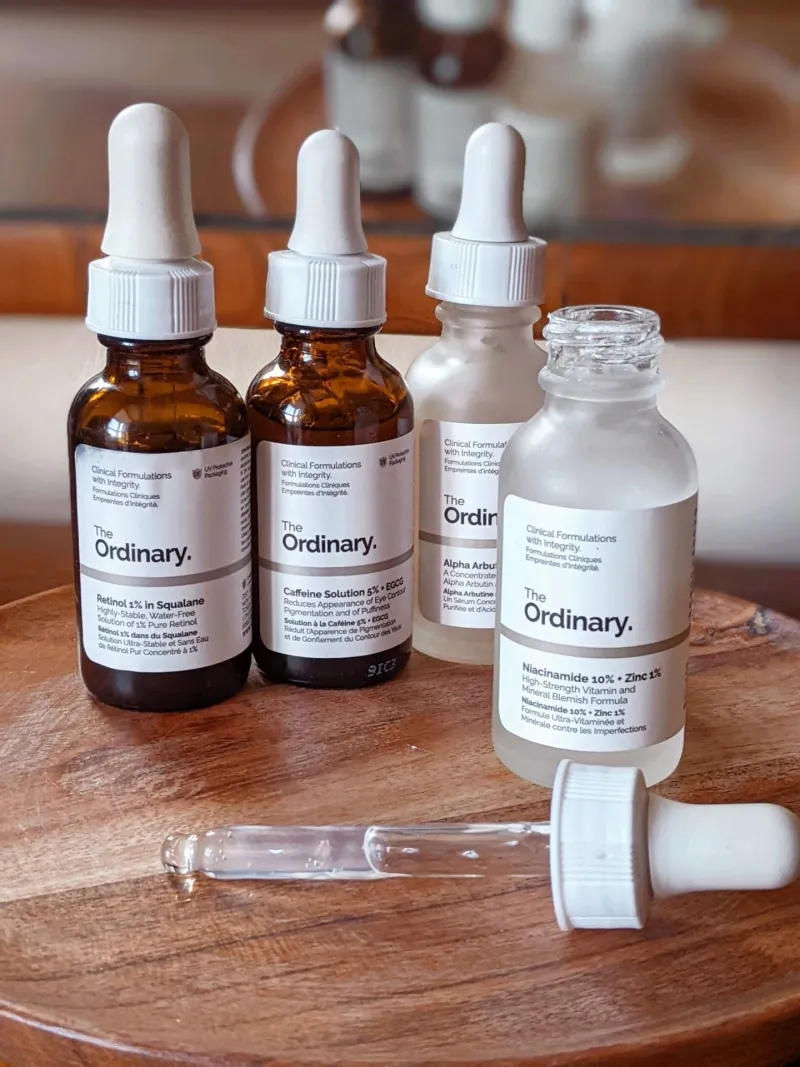
Photo: serum bottles dropper skincare comparison bathroom winter light editorial, via www.ellennoir.co.uk
The British winter is a stress test for skincare. Central heating pulls moisture from the air, wind chaps exposed skin and low daylight can make every flake and shadow more visible. Serums are where brands concentrate their most ambitious claims, which makes them the most emotionally expensive part of the routine. A £15 high-street bottle and a £150 department-store bottle can both promise hydration, barrier support and a more refined complexion. The question for 2026 is not whether the premium bottle feels nicer. It is whether it does enough to justify ten times the price.
This audit is not a laboratory trial. It is a structured consumer comparison: ingredient lists, texture, clinical evidence and cost per use, assessed against the conditions of a British heating season. The aim is to separate genuine skin benefit from the theatre of luxury.
The two contenders
The budget candidate is a £15 high-street serum, typically 30ml, built around glycerin, hyaluronic acid and niacinamide, with panthenol and a simple preservative system. The premium candidate is a £150 department-store serum, also 30ml, built around glycerin, a peptide blend, squalane, antioxidants and a more elaborate texture. Both are water-based and both sit before moisturiser. One costs 50p per millilitre; the other costs £5 per millilitre.
That price gap buys several things. It may buy more elegant texture, better packaging, a more stabilised antioxidant system or a patented peptide blend. It may also buy fragrance, marketing and a heavier glass bottle. The audit has to distinguish between those categories.
Ingredient lists: what actually earns its place
Glycerin is the quiet hero of winter skincare. It is inexpensive, well tolerated and effective at drawing water into the upper layers of the skin. A budget serum that lists glycerin early can deliver meaningful hydration without ceremony. Hyaluronic acid adds a different kind of moisture-binding, though its effect depends on molecular weight and formulation. It is not inherently superior to glycerin, and in very dry air it may need a moisturiser on top to prevent a tight feeling.
Niacinamide is the most persuasive budget active for many British skins. At 2 to 5 per cent, the evidence supports improved barrier function and reduced appearance of redness and uneven tone. It is stable, affordable and generally well tolerated. A £15 serum that delivers a sensible concentration of niacinamide is not a compromise; it is a rational choice.
Peptides are where the premium bottle often makes its case. The clinical evidence is more modest than the marketing suggests. Certain peptide complexes have shown some benefit for firmness and barrier support, but results vary by peptide, concentration and vehicle. Peptides are not useless, but they are not a guarantee of tenfold performance. Antioxidants such as vitamin C can be valuable, though stability is the unresolved issue. A premium serum may use a better stabilised derivative or an airless package, and that can matter. Fragrance, by contrast, earns nothing for the skin unless the wearer values the ritual. For reactive skin, it is often a liability.
The ingredient audit therefore produces a mixed verdict. The budget serum can easily win on hydration and niacinamide. The premium serum can justify itself if it contains a well-formulated antioxidant, a meaningful peptide blend and a texture that encourages consistent use. It cannot justify itself on water and glycerin alone.
Texture and the British layering problem
Texture is not vanity. In winter, a serum must layer under moisturiser and sunscreen without pilling. A budget serum can be slightly tacky or prone to rolling, especially when applied too generously. A premium serum often has a more refined slip and sinks in faster, which makes the morning routine more pleasant. That is a real benefit, but it is a sensory one. It does not automatically translate into better skin.
The central-heating context matters. A humectant-rich serum used in a dry room needs to be sealed with an occlusive moisturiser. Otherwise the skin may feel tight even after application. The premium bottle may feel more comfortable, but the budget bottle can perform well if it is layered correctly. A £15 serum plus a good £12 moisturiser can be more effective than a £150 serum used alone.
The cost-per-use ledger
A 30ml serum used at roughly 0.5ml per application provides about 60 uses. At £15, that is 25p per application. At £150, it is £2.50 per application. Over a twelve-week period, the budget option costs about £21; the premium option costs about £210. If the premium serum is used less often because it is expensive, the comparison becomes worse, not better. If it is used consistently and delivers a texture the wearer enjoys, the cost can be justified as part of a broader wellbeing budget. But it should not be justified by implied clinical superiority alone.
Cost per use is not the only measurement. Cost per outcome matters more. If the budget serum causes irritation, the saving is false. If the premium serum contains a specific active that suits a particular skin concern, the spend may be rational. The audit should therefore ask what the product is for. For basic hydration and barrier support, the budget serum is the clear value. For a stabilised antioxidant or a peptide formula that the wearer will use daily, the premium bottle has a case.
The winter test: what changed
Across the comparison, the budget serum performed best on simple hydration and comfort. It reduced the tight feeling after cleansing and made moisturiser easier to spread. The premium serum performed best on elegance: it absorbed quickly, left less residue and made the morning routine feel more considered. Neither product replaced the need for a barrier-supporting moisturiser. Neither produced a dramatic change in the appearance of fine lines over a short period. That is consistent with the clinical evidence.
The most useful observation was about consistency. A serum that is pleasant to use is more likely to be used every day. A serum that is used every day is more likely to produce a modest, cumulative benefit. That is not an argument for spending £150. It is an argument for choosing a texture you will actually apply.
Where to spend and where to save
Save on basic humectant and niacinamide serums. The ingredients are affordable, the evidence is reasonable and the formulation does not need to be luxurious to work. Spend on a sunscreen you will wear generously, a moisturiser that suits your barrier and, if needed, a prescription treatment for a specific concern. Spend on a premium serum only when you can name the active you are paying for and you value the texture enough to use it daily. Do not spend £150 on a bottle whose main function is to feel expensive.
The verdict
For most UK skin in winter, the £15 high-street serum is the sensible default. It can deliver hydration, niacinamide and a measure of barrier support without the premium markup. The £150 department-store bottle is not ten times better. It may be more elegant, more stable or more pleasant, and those things have value. But the ledger favours the budget buy for ordinary winter maintenance, with the savings directed towards a good moisturiser and consistent sun protection. The best serum is not the most expensive one. It is the one that suits the skin, survives the heating season and is used without resentment.