A Fortnight to Glow: The Considered Skin Countdown for the 2026 Festive Calendar
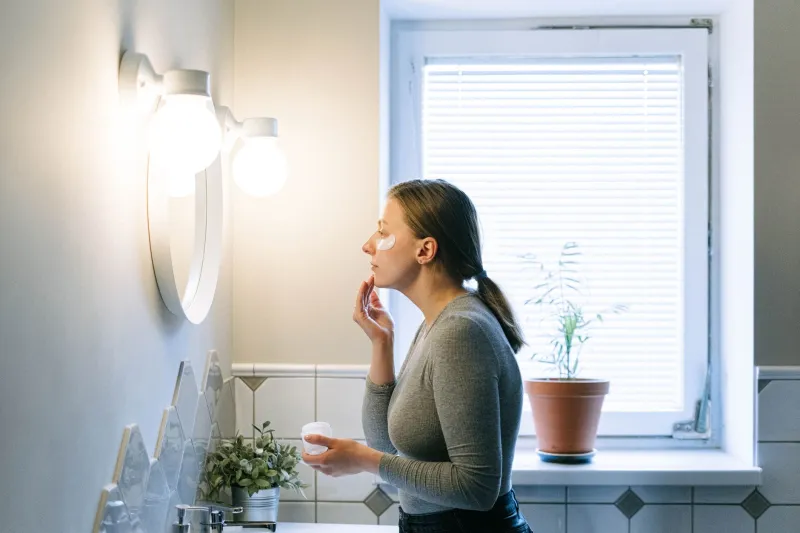
By the time the first invitation lands on the doormat, the British winter has usually already made its position clear. Central heating pulls moisture out of the air, a sharp easterly does the same to the face, and the festive calendar asks skin to perform on minimal sleep and a generous amount of mulled wine. The result, for many readers, is a complexion that looks tired at precisely the moment it is most on show.
The temptation is to panic-buy. A fortnight of considered preparation is a far better answer than a frantic week of experiments, and it happens to sit neatly between the end of November and the first serious round of engagements. What follows is a practical countdown, balanced between what can sensibly be done at home and what is worth booking in advance.
Why a fortnight is the correct window
Skin does not remodel itself overnight, and the claim that any product transforms a complexion in seventy-two hours should be treated with the scepticism it deserves. A fortnight is long enough for hydration and barrier repair to become visible, and short enough that a treatment booked on day six still has time to settle before the first party. It also imposes a discipline that December rarely supplies. Most winter skin complaints are not caused by a shortage of products but by an excess of them, applied hurriedly, in poor light, between engagements.
Days one to four: reduce, then rebuild
Begin by subtracting rather than adding. Two actives are sufficient; three is a provocation. A cream or milk cleanser used with lukewarm water will do more for comfort than a foaming formula chosen for its novelty, and a hydrating serum layered onto slightly damp skin gives the day a better foundation than a rich cream applied to a dry surface.
This is the phase for a barrier cream worth the name: look for ceramides alongside cholesterol and fatty acids, or squalane and shea for a simpler occlusive effect. Apply it while the skin is still faintly damp, and give it a few minutes before make-up. Broad-spectrum SPF 30 remains non-negotiable in a British December; UVA travels through cloud quite happily, and the low winter sun is no reason to abandon the habit.
Readers who use a retinoid should continue as normal at this stage, but sparingly, and buffered with moisturiser if the cold snap has left skin feeling tight.
Days five to nine: the treatment window
This is where professional appointments earn their place in the diary. An LED facial, using red and near-infrared light, is the most forgiving option for a busy month: there is no downtime, no peeling, and the treatment can be repeated weekly without risk. Book it for days five to seven so that any residual flushing has faded well before the first event.
Dermaplaning is the more decisive choice, and the more easily mistimed. It removes vellus hair and the topmost layer of dead cells, which allows make-up to sit more smoothly, but it should be scheduled no later than seven days before a significant occasion and no closer than four. It is not appropriate for those with active acne, rosacea or a history of cold sores, and it should never follow a course of at-home acids.
Between appointments, gentle chemical exfoliation is preferable to anything granular: a PHA or lactic acid formula used once or twice weekly in the evening will keep texture in check without stripping the barrier. Facial scrubs, at-home peels and any newly purchased retinoid should be left until January.
Days ten to fourteen: consolidation and polish
Nothing new after day ten. This is the rule that saves complexions every December, and the one most often broken. The final days are for repetition, not revelation: the same cleanser, the same serum, the same barrier cream, applied with a little more care than usual.
A retinoid should be paused roughly seventy-two hours before a major event, since dryness and flaking have a way of arriving on the morning of a photograph. A hydrating sheet mask or overnight mask used two evenings before will do more for a tired face than any last-minute purchase. Hands, cuticles and lips deserve the same barrier cream that has been going on the face; they are, after all, the parts of the body most frequently on display at a drinks reception.
The practical diary, condensed
- Days one to four: reduce actives to two, introduce or reinforce a ceramide-based barrier cream, maintain daily SPF.
- Days five to seven: book an LED facial; begin twice-weekly PHA or lactic exfoliation.
- Days seven to nine: schedule dermaplaning, if suitable, at least five days before the first significant event.
- Days ten to twelve: add a hydrating mask; introduce no new products.
- Days twelve to fourteen: pause retinoids, prioritise sleep, keep the routine boring.
What to avoid
At-home peels in the week of a party, however tempting the promise. New acids introduced to solve a problem that a fortnight of consistency would have solved anyway. Make-up brushes that have not been washed since last December. And any treatment booked for the day before an event, on the reasoning that fresher must be better; it rarely is.
Readers with a diagnosed skin condition, or those using prescription retinoids, should take advice from their practitioner before adding professional exfoliation to the calendar. For everyone else, the protocol is deliberately unglamorous: fewer products, better timed, with two appointments placed sensibly rather than six booked in a panic. It is not a transformation. It is preparation, which is a more polished thing altogether.