The November Edit: A Calmer Beauty Shelf Before Party Season
Photo: Giulia Notarpietro, CC BY-SA 4.0, via Wikimedia Commons
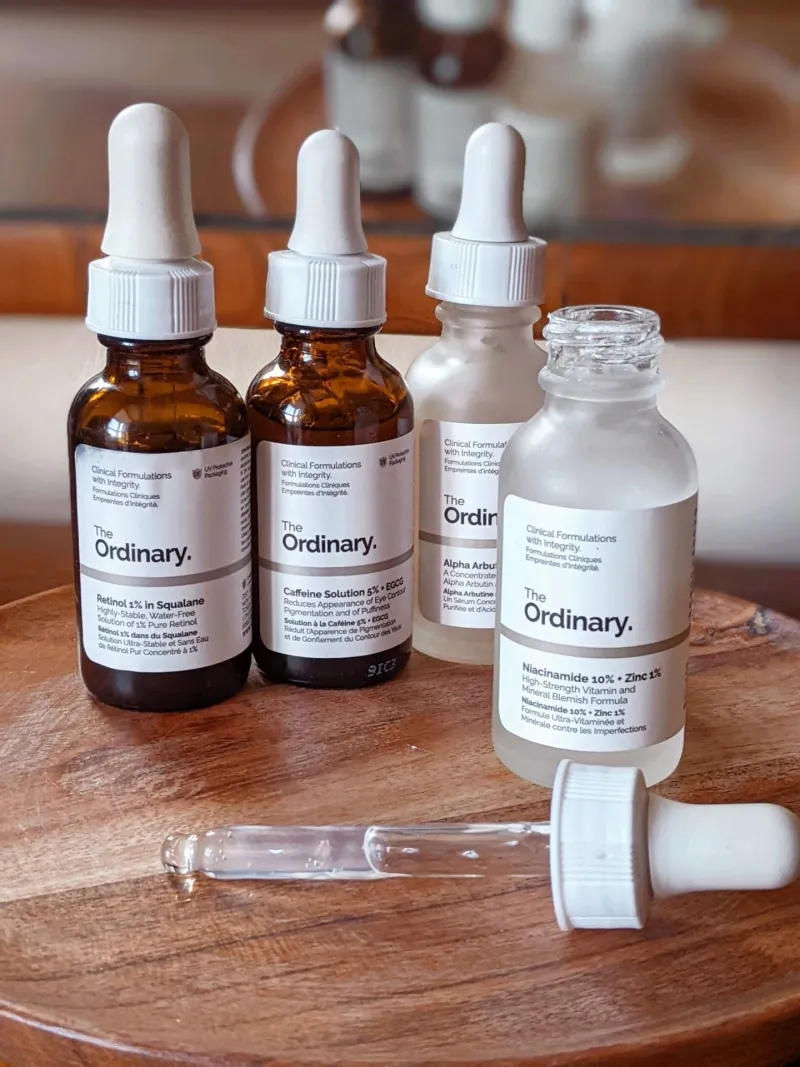
By early November, the bathroom shelf has usually become a small monument to good intentions. There is the serum bought in a moment of optimism, the almost-empty moisturiser kept as a backup, the exfoliant that never quite suited winter, and the party-season lipstick that will be needed in a few weeks. Before the 2026 festive calendar fills up, a deliberate shelf audit is a quiet act of self-care: less clutter, fewer wasted purchases and a morning routine that feels composed rather than chaotic.
This is not about austerity or a rigid minimalist aesthetic. It is about editing with the same care you would apply to a wardrobe. Keep what earns its place, remove what has turned, repurpose what can be sensibly reused and recycle the rest. The result should be a shelf that works harder and looks calmer.
Start with the date, not the packaging
Expiry information comes in two forms. The first is a printed date, often on the base or crimp of a tube, which applies to an unopened product. The second is the period-after-opening symbol: a small open-jar icon with a number and the letter M, such as 6M or 12M. That figure refers to how long the product remains stable after it is first opened, not how long it has sat in the cupboard.
A useful audit therefore begins by grouping products by type. Cleansers, moisturisers and body lotions often carry 12M; serums and vitamin C formulas may be shorter; sunscreens should be treated more strictly. If a product has been open for longer than its PAO, or has passed its printed date, it should not be kept for the festive season. Decanting an old formula into a prettier bottle does not reset the clock.
The turned-formula test
Visual and sensory checks are your first line of defence. A formula that has separated, developed a gritty texture, changed colour markedly or smells different from when it was new should be discarded. Be cautious with water-based products that have been stored in a warm bathroom; they are more vulnerable to microbial growth. If a product has been contaminated by fingers, or has been used during an infection, err on the side of caution.
Do not add water to a thickened product to stretch it further, and do not mix old and new formulas in the same container. If a product causes stinging, redness or a rash, stop using it and seek advice if symptoms persist. Skin does not need to be tested for the sake of a shelf edit.
What to keep
Keep the products that are in date, suit your winter skin and form part of a routine you actually follow. That may mean one gentle cleanser, one moisturiser, one treatment and one broad-spectrum sunscreen. Duplicates can be stored in a cool, dark place if they are unopened and in date, but they should not crowd the daily shelf. If a product has been open for months and is nearly empty, finish it or recycle it rather than buying a replacement before you need one.
Party season often encourages the purchase of a new highlighter or lip product, but skincare should remain the foundation. A calm shelf makes room for the occasional festive addition without turning the bathroom into a stockroom.
What to bin
Bin anything expired, separated, discoloured, unusually scented or associated with irritation. Old mascara and liquid eye products deserve particular scrutiny, as do products that have been kept in a hot bathroom for years. If you cannot remember when you opened it, and the PAO is short, it is probably time to let it go. Empty packaging should be rinsed and recycled where facilities allow; the product itself should be disposed of responsibly, not washed down the sink.
What to repurpose
There is a sensible middle ground between keeping everything and throwing everything away. Clean glass jars can hold cotton pads or hair ties; sturdy pump bottles can be repurposed for cleaning products if thoroughly washed and clearly relabelled. Do not decant skincare actives into unsterilised containers, and do not reuse droppers for different formulas. Repurposing should be practical, not decorative.
Storage for a steamy British bathroom
British bathrooms are often warm and humid, which is not ideal for delicate formulas. Keep lids closed, avoid storing actives on a sunny windowsill and consider moving vitamin C, retinoids and fragile serums to a cooler bedroom drawer. If the shelf is directly beside the shower, protect products from spray and store them in a closed cabinet where possible. Use a clean spatula for creams in jars, and wipe bottle necks before closing them. A dry shelf is a more effective preservative than a pretty one.
Recycling empties without the guilt
Rinse bottles and jars, remove excess product and check local council guidance. Many UK pharmacies and some beauty retailers offer collection points for empties, and specialist schemes exist for hard-to-recycle packaging. Keep caps, pumps and droppers separate if your local scheme requires it. The aim is not perfection but consistency: a small, habitual recycling step is better than an occasional purge.
The calmer getting-ready
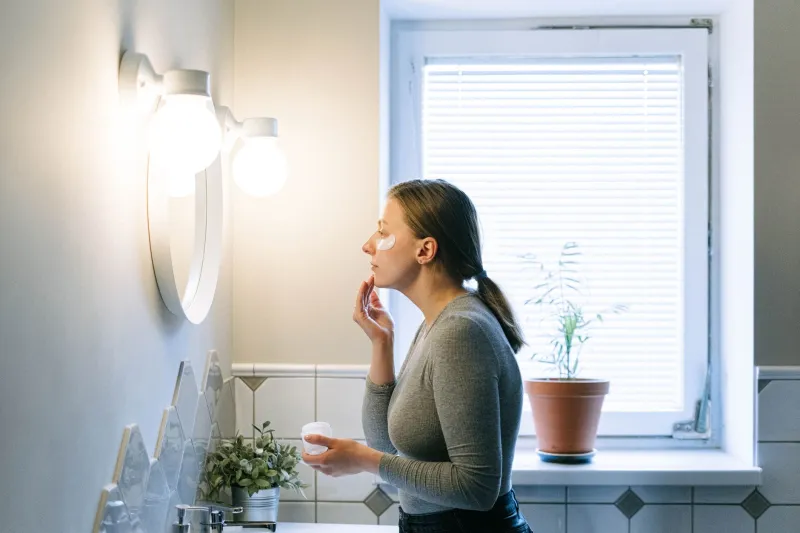
A November audit should take an hour, not a weekend. Sort by category, check dates, test textures, clean the shelf and recycle what cannot stay. The reward is not a barren bathroom but a more thoughtful one: fewer decisions, less waste and a routine that feels ready for the 2026 festive season rather than overwhelmed by it.