Before the Carts Open: A Considered Beauty Audit for Sale Season
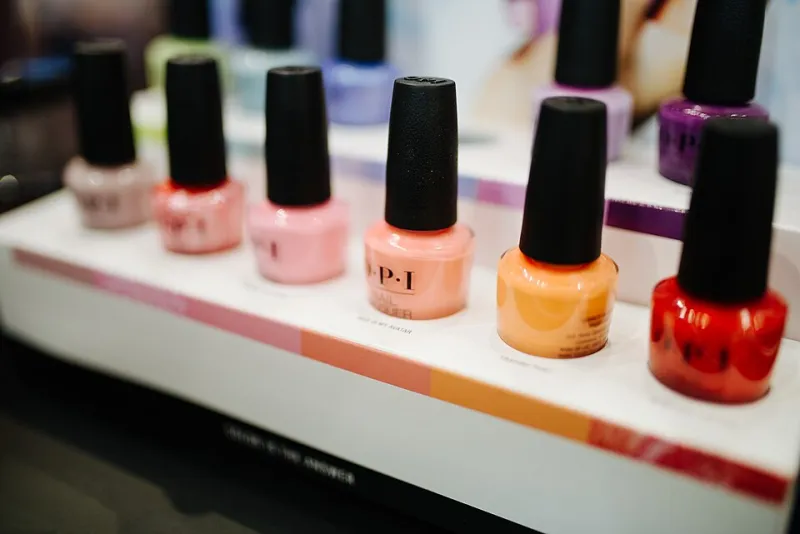
Photo: Shixart1985, CC BY 2.0, via Wikimedia Commons
Black Friday has become a fixture of the British beauty calendar, and not always to the consumer’s advantage. The promotions are designed to create urgency; the sensible response is to create a list. With the sale weekend later this month, the most useful thing you can do on 11 November is not add items to a basket but take stock of the shelf you already own.
Begin with the bathroom cabinet, not the banner ad
An audit starts with evidence. Set aside twenty minutes and empty one category at a time—skincare first, then hair, then tools and fragrance. Group by product type and check two things: how much remains and whether the period-after-opening symbol still gives you confidence. In the UK, where bathroom cabinets can be humid and bedroom temperatures fluctuate, a serum that has been open for twelve months may not be the bargain it once was.
Write down duplicates. Most households contain at least two nearly identical moisturisers, a forgotten exfoliant and a hair mask bought for a holiday. The aim is not to shame the stash but to establish what a realistic replacement cycle looks like. If you have three cleansers open, you do not need a fourth, however persuasive the discount.
The repurchase test: saving versus spending
A genuine Black Friday saving has a simple definition: it applies to something you were already going to buy, at a price you can verify. A false economy is a discount that persuades you to buy more than you need, or to try an unfamiliar formula because the percentage is high.
Apply a repurchase test to every candidate. Would you pay full price for this in the next eight weeks? If the answer is no, the discount is not a saving; it is additional spending. For staples—cleanser, moisturiser, sunscreen, shampoo—compare the unit price rather than the headline offer. A duo at 20 per cent off may cost more per millilitre than a single full-size bottle bought elsewhere. Check whether the “was” price is a genuine recent price or a seasonal inflation. UK retailers are required to be transparent about pricing, but the shopper still has to read the small print.
Build a short list across three categories
The most disciplined approach is a written list, capped at five items. Divide it into skincare, hair and salon gift vouchers.
For skincare, restrict yourself to replacements and one considered addition. If you are running low on a trusted vitamin C or a barrier cream, a verified discount is welcome. If you are tempted by a new active, ask whether you have the routine and the patience to introduce it during party season, when skin is already dealing with central heating and late nights. Often the better purchase is the boring one.
For hair, audit shampoo, conditioner, mask and heat protection. A large salon-size shampoo can be good value if you have used it before; a novelty mask in seasonal packaging is less so. If you colour your hair, check whether your salon sells take-home care at a discount—often the saving is modest but the advice is specific.
For salon vouchers, the discipline is different. A voucher is a promise, not a product. Buy only from a salon you know or one you have researched properly. Confirm the expiry date, whether it can be transferred, and whether it can be used against a specific therapist or treatment. In the UK, small salons often release limited vouchers for Black Friday; these can be excellent gifts, but they should not become speculative purchases for treatments you may never book. If you are buying for yourself, choose a treatment you have already discussed with a practitioner, not an unfamiliar device or peel.
The false economy of sets and miniatures
Beauty sets are the most seductive part of the sale. They promise discovery and value, but they often contain one product you will use and two you will not. Before buying, calculate the price per millilitre for the items you actually want, and ignore the “worth” figure attached to the box. Miniatures are useful for travel, but they are rarely cheaper per use than a full size. If the set includes a product outside your routine, the saving is theoretical.
A timeline that protects your judgement
The audit is only useful if it changes behaviour. This week, take inventory and write your list. Next week, check prices at two or three UK retailers you trust—Boots, Space NK, Cult Beauty, Liberty or a local pharmacy—and note the standard price. When the promotions open, buy only from the list. Set a budget in pounds before you browse, and unsubscribe from marketing emails that encourage daily checking. The goal is not to ignore Black Friday but to use it selectively.
A considered sale season is less exciting than a full basket, but it is more effective. The best Black Friday purchase is the one you would have made anyway, at a price that genuinely improves the ledger. Everything else can wait.